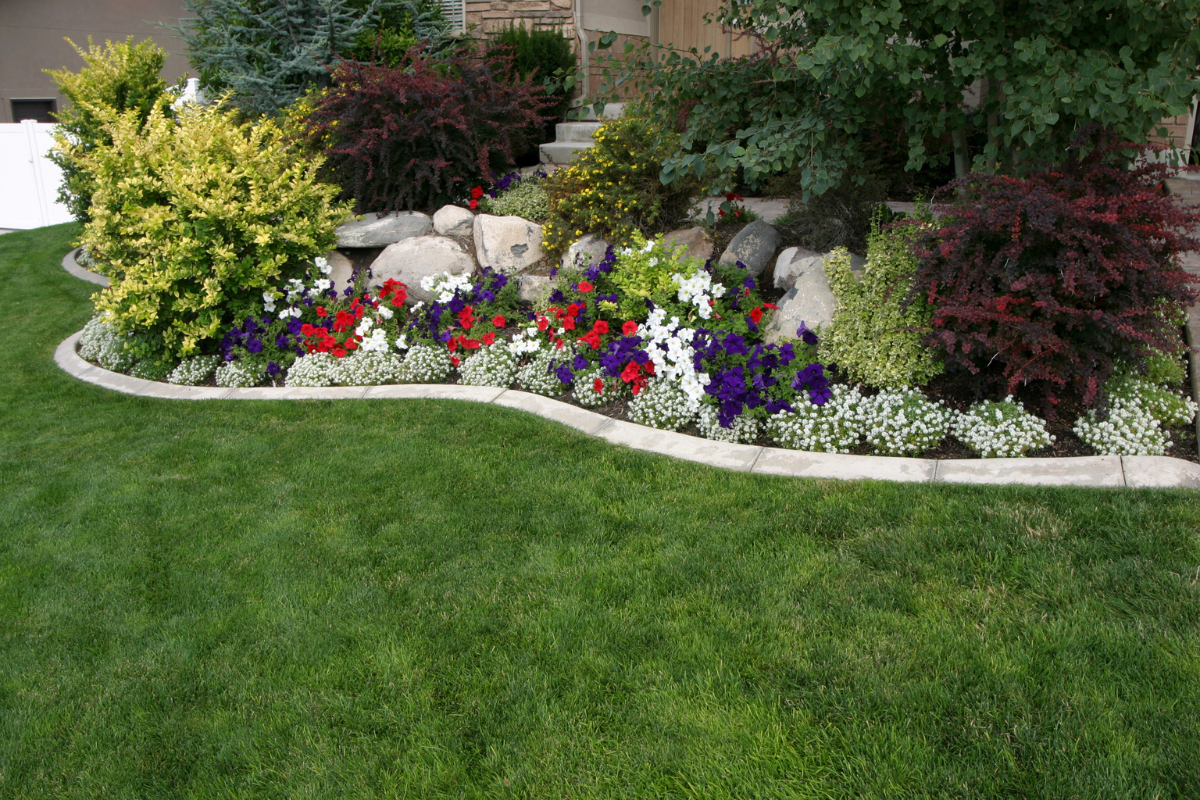

Water is getting tighter in many regions, yet the desire for a green, welcoming yard hasn’t gone anywhere. The good news is you don’t have to choose between a parched landscape and a high water bill. Xeriscaping gives you a third option, one that trims irrigations costs, cuts maintenance, and still delivers a yard with presence. After years of working with drought cycles, city watering restrictions, and clients who love their outdoor spaces, I’ve come to view xeriscaping not as sacrifice, but as design with constraints that spark creativity.
What xeriscaping actually means
The term grew out of the Denver area in the 1980s, and it literally means dry landscaping. It does not mean rocks and cactus by default. The core idea is to align landscape design services with the climate, then use thoughtful irrigation, soil improvement, and plant choices to reduce water use without surrendering beauty or function.
Most xeriscapes aim to reduce outdoor water use by 30 to 70 percent compared to traditional turf-heavy yards. Whether you hit the high end of that range depends on your region, soil, exposure, and how faithful you are to efficient watering. When we retrofit a property, we target a phased plan so the client sees gains fast without ripping out the whole yard at once.
Seeing your site like a pro
Before you talk plants, map the site. A professional landscaping company will start with a sun-and-shade analysis across seasons. What bakes at 3 p.m. in August might be chilly in March. Track wind, drainage, and soil texture. If you can’t make a mud ball from your soil after a short soak, you’re likely on sandy ground that drains fast. If your boots stick, you’re in clay. Each calls for a different strategy.
Pay attention to microclimates created by structures and hardscape. South and west walls radiate heat all evening. Courtyards trap warmth and can push a zone up by a half step. Low spots collect cold air and water. I once took over a garden landscaping job where salvias failed along a fence line. It turned out the neighbor’s sprinkler misted through the chain link. The constant damp invited fungal pressure in a strip that stayed dark until late morning. Xeriscaping rewards this kind of detective work.
Turf that earns its keep
If you love the feel https://devinbveu336.image-perth.org/modern-irrigation-systems-for-efficient-lawn-care of grass underfoot, keep some, but put it only where it does a job. We call these practical turfs. They soften fall zones under play equipment, define a cool spot for a dog, or set a frame around a patio. Everything else is fair game for conversion.
Choose the right turf for your climate and goals. Warm-season grasses like bermuda or zoysia sip less water in hot regions, though they go straw-colored in cool winters. In cooler zones, a fescue blend with improved drought tolerance can hold color on less water, but it still needs more than native plantings. If you’re willing to rethink the idea of lawn, microclover or no-mow fescue mixes create a low, soft look, fix nitrogen, and reduce fertilizer needs. They won’t tolerate weekly soccer scrimmages, yet they do fine for strolling and lounging.
The biggest gains come from reducing the square footage of turf, then irrigating what’s left with matched-precipitation nozzles or subsurface drip rather than fixed spray heads. Laying turf next to a hard edge lets you mow cleanly without a trimmer, saving time and reducing water overspray.
Soil is a reservoir you can improve
Water savings happen below the surface first. Sandy soil drains quickly, which starves roots between irrigations. Clay holds water but gives it up grudgingly, and it compacts, suffocating roots. Organic matter is the fixer. For most beds, we till in 2 to 3 inches of compost to a depth of 6 to 8 inches before planting. If the soil is heavy clay, we blend compost with a coarse mineral amendment like expanded shale or pumice. I’ve seen amendments cut watering frequency by a third, simply because the root zone holds moisture evenly.
If you don’t want to till near existing trees, top-dress compost and mulch two to three times over a year. Earthworms and microbes will pull it down. Avoid working wet clay, which smears and creates panes that block water. Aim for a friable texture that crumbles when squeezed.
Soil testing is cheap insurance. A standard lab panel shows pH, salts, and nutrients. High salts from reclaimed water or overfertilizing can burn drought-tolerant species. Match your fertilizer plan to the test rather than guessing. Most xeric plants prefer lean soils and will flop if you feed them like roses.
Irrigation that thinks for you
A smart irrigation layout makes more difference than any single plant choice. The first rule is hydrozoning. Group plants by water needs and put them on a dedicated valve. A rosemary hedge doesn’t want the same schedule as a new shade tree, and dripline on one valve with sprayers on another gives you control.
For most shrubs and perennials, point-source drip or inline dripline beats spray. It delivers water at the root zone, avoids wind drift, and reduces evaporation off foliage and mulch. Look for pressure-compensating emitters so the uphill and downhill ends of a run apply the same rate. Use a filter and flush valves at the ends so the system stays clean. If you run drip through mulch, mark valve boxes and mainline paths. Weeks later, you will not remember where they are when you add plants.
Smart controllers help if you take the time to set them up. The best pair with either a local weather feed or an on-site sensor, then adjust run times with real data. A rain shutoff sensor is cheap and prevents the classic faux pas of sprinklers running in a storm. Schedule deep, infrequent watering that pushes moisture 8 to 12 inches down. Plants read that depth as security, then develop deeper roots. I often set new plantings with a temporary higher frequency for two to three months, taper it, and lock in the long-term schedule by the end of the first season.
Mulch, the quiet workhorse
A two to three inch layer of mulch cuts evaporation, buffers soil temperature, and suppresses weeds, which compete for water. Organic mulches like shredded bark, arborist chips, and composted leaves feed soil biology as they break down. In windy, hot sites, a heavier shredded material knits together and stays in place better than nuggets. In fire-prone interfaces, maintain a mulch-free zone against structures and use gravel or pavers as a non-combustible buffer.
In some designs, decorative gravel mulch fits the aesthetic and requires less frequent topping. It reflects heat, so match it with plants that can handle the extra radiance. Put a breathable fabric under rock only if you must. We avoid plastic sheeting because it compacts soil and starves microbes. In beds with dripline, I prefer no fabric, a generous layer of rock, and periodic leaf-blower cleaning on a low setting.
Picking plants that thrive, not survive
Drought tolerance isn’t a single trait. Plants cope with stress through deep roots, small or silver leaves, seasonal dormancy, or waxy cuticles. Match those traits to your site. In cold-winter Regions, penstemon, echinacea, little bluestem, and prairie dropseed bring color and movement while needing little summer water once established. In Mediterranean climates, lavender, rosemary, salvia, artemisia, olive, and manzanita carry the show. Desert-adapted landscapes can blend hesperaloe, desert willow, apache plume, globe mallow, and native grasses for a look that flowers nine months a year on sparse irrigation.
Tree choice sets the tone and the water budget. Desert willow and palo verde handle heat with grace. In cooler zones, honeylocust, ginkgo, and serviceberry offer dappled shade without heavy water needs. A shade tree that overlays beds frees you to use slightly thirstier perennials below, because shaded soil loses less water.
Use natives as anchors, but don’t be purist if your climate supports a broader palette. The goal is ecological function and low input. Well-chosen noninvasive, climate-adapted plants can extend bloom time for pollinators and add structure. What I avoid are plants bred for giant flowers at the expense of resilience. They often demand more water to hold that promise.
Design language for low water
Xeriscapes that feel sparse usually suffer from cautious spacing and timid massing. Dryland plants still want repetition and rhythm. Plant in drifts, repeat textures, and use contrasting forms. A sweep of blue fescue next to upright yucca, with a low drift of thyme at the edge, reads as intentional. Rock placement can feel either random or geological. Bury at least a third of any boulder so it looks like it belongs. Align outcrops along an axis that suggests bedrock rather than scattered rubble.
Color behaves differently in heat. Silver and gray foliage cools the palette and survives harsh light. Saturated reds and purples hold longer in partial shade. Whites pop at dusk when you’re most likely to be outside. If you want seasonal drama without extra water, vary bloom times with early bulbs that bank winter soil moisture, then let summer perennials carry the dry months.
Hardscape earns its place by reducing water-devouring areas and creating flow. A decomposed granite path that curves to a small lawn panel makes the grass feel generous even if it is only 120 square feet. Permeable patios return water to the soil and protect tree roots. Good garden landscaping uses these surfaces to choreograph movement and reduce irrigation without making the yard feel smaller.
Establishment is where many xeriscapes fail
A tough plant still needs a good start. The biggest mistake I see is under-watering in the first season, then over-watering forever. New plantings need consistent moisture to knit roots into native soil. I plan for twice-weekly irrigation in moderate weather and three times weekly during heat spikes for the first six to ten weeks, adjusting volume to soil type. After that, we stretch the interval, lengthen run times slightly, and watch for stress signals. Leaves cupping up by mid-afternoon that flatten again by evening are normal. Leaves that curl and stay curled need attention.
Planting in fall is a cheat code in many climates. Cool weather reduces transpiration, and winter moisture preps plants for summer. I’ve planted entire front yards in October with minimal irrigation, then tightened water use the following summer with plants already half established.
Keep competition down while roots expand. Mulch well, pull weeds early, and don’t allow turf to creep into new beds. Lawns are greedy, and a six-inch edge strip can siphon remarkable moisture from a bed.
Maintenance that respects the system
Low water does not mean no work. Landscape maintenance services in xeriscapes focus on timing and restraint. Prune after bloom cycles rather than on a calendar. Over-shearing lavender and salvia kills their natural form and invites disease. Let woody shrubs build a framework, then thin and shape with hand pruners.
Fertilize lightly if at all. Compost top-dressing in spring and fall is plenty for most beds. High nitrogen pushes lush growth that needs water and flops in wind. If a plant keeps asking for more, it probably wants a different spot. Move it rather than fight it.
Irrigation checks twice per season pay back fast. Walk the system while it runs. Tighten leaky fittings, clear clogged emitters, and adjust run times by zone based on plant response. A controller program that worked in year one will usually be too generous in year two as roots deepen.
Mulch refresh is an annual ritual. Top up to the original depth, but don’t bury crown tissues. Keep mulch a few inches off woody stems. In gravel-mulched beds, blow out leaves and debris that trap moisture against stems, and rake to reset a clean surface.
Costs, savings, and the honest math
The upfront spend on a conversion depends on scope. Removing turf, amending soil, adding drip, and planting a moderate-sized front yard often runs near the cost of a small kitchen appliance upgrade. Clients usually ask about the break-even point. Where water rates include tiered pricing, we typically see bills drop 30 to 50 percent for irrigation zones converted from spray-fed turf to drip-fed beds. With current rates in many municipalities, that pays the irrigation hardware back in two to four seasons. Plant costs are variable. Buying smaller container sizes and letting the site grow in over two years saves money and often yields healthier plants in the long run.
Maintenance costs also shift. You mow less. You spend more time early on with weeds, then less after the mulch and plant canopy close ranks. If you hire a landscaping service, make sure they price by task, not by the mow-and-blow model. A crew that understands selective pruning, emitter troubleshooting, and seasonal scheduling will keep your low-water landscape performing. When we maintain a mature xeriscape, we see service visits drop in frequency compared to turf-heavy yards, though each visit may involve more skilled labor.
Common pitfalls and how to dodge them
Here are five traps I see regularly, with quick fixes:
- Mixing thirsty and drought-tolerant plants in the same zone. The thirsty ones dictate the schedule and drown the others. Hydrozone strictly and place high-need plants near spigots or in visible spots you don’t mind hand-watering. Skipping soil prep. A thin layer of compost under a plant in hard clay creates a bathtub. Amend the whole bed or choose plants that tolerate the native soil and water accordingly. Over-irrigating forever. A first-year schedule is not a forever schedule. Put a calendar reminder to cut frequency after establishment. Rock-only landscapes without shade in hot regions. Reflective heat can cook roots. Pair gravel with plants that like it or add structures that cast shade. Planting too sparse. Dry gardens need mass and repetition. Fill the frame, then edit with a hand pruner, not with regret.
Working with a pro versus DIY
Plenty of homeowners succeed on their own, especially on small projects. The place where a landscaping company earns its fee is in multi-valve irrigation design, grading and drainage, and plant sourcing at scale. A well-run crew can transform a lot in a week, with clean trenching, pressure testing, and a controller setup that just works. If you like to garden but not to trench, blend the approaches: hire out the infrastructure and do the planting yourself. Ask for a plant list with container sizes and spacing. Good landscape design services will happily mark the beds with flags so you can place and plant at your pace.
When you interview pros, look for portfolios in your climate, not just pretty photos. Ask about hydrozoning, smart controllers they prefer, and how they handle soil prep. A reputable firm will walk you through their maintenance plan for year one and beyond. If the proposal includes a lawn by default, question it. A thoughtful plan may keep a lawn, but it should be there for a reason.
Regional notes that change the playbook
Climate determines the knobs you can turn.
- Arid Southwest: Shade is currency. Invest in trees that cast it and structures that make it. Drip is non-negotiable. Expect to rinse dust off leaves with a hose monthly in summer, which doubles as a stress check. Mediterranean Coast and foothills: Winter rain, summer drought. Plant in fall so roots chase moisture all winter. Watch for root rot in heavy winter soils; raised berms help. High Plains: Big swings in temperature and wind. Use windbreaks and stakes on new trees. Deep, infrequent watering is essential once established. Mulch needs renewal more often due to persistent wind. Humid Southeast: Xeriscaping here means reducing irrigation and using heat-tolerant, disease-resistant plants rather than eliminating water entirely. Focus on drainage and air flow as much as on drought tolerance. Cold North: Short season, intense sun. Choose species that tolerate freeze-thaw and don’t rely on winter moisture alone. Mulch protects crowns from heaving. Spring soil prep is often safer than fall due to early freezes.
How to start small this season
If a full conversion feels daunting, pick a test bed. Replace a strip of turf along a driveway with a 4-foot-deep planting bed, add a simple drip line, and mulch. Track your water meter before and after. The feedback loop builds confidence. Or carve a lawn panel down by a third with a new path and a shade tree island. Once you see the yard still looks intentional and the water bill nudges down, the rest of the plan writes itself.
If you prefer a blueprint, bring in a designer for a master plan. Phase it over two or three seasons. Start with the bones: trees, irrigation mainline, and hardscape adjustments. Then add shrubs and perennials, finishing with groundcovers and edgers that knit the whole together. Phasing lets you spread costs and learn how the site responds.
A yard that earns its weekend
Low-water lawn care is not austerity. A good xeriscape gives you mornings where the garden hums with bees on salvia, afternoons where shade falls just right on a small, vivid patch of turf, and evenings where gravel crunches underfoot as lights pick up silver leaves. It lowers the friction of ownership. You spend less time chasing brown patches and more time editing, noticing, and enjoying.
The real promise is resilience. Landscapes that match their place ride out drought years without panic. They lean on soil health, smart irrigation, and plant communities built to share a lean budget. Whether you do the work yourself or partner with a landscaping service, aim for systems that forgive lapses and reward attention. The water you save shows up as lower bills, fewer hoses dragged around on hot days, and a yard that feels calm because it is not fighting its environment.
When a client calls me two summers after a conversion and says they barely touched the controller during a heat wave, yet the yard looked better than ever, I know the design found its balance. That is xeriscaping at its best: design for place, not against it, and let the yard prove that less water can mean more life.
Landscape Improvements Inc
Address: 1880 N Orange Blossom Trl, Orlando, FL 32804
Phone: (407) 426-9798
Website: https://landscapeimprove.com/