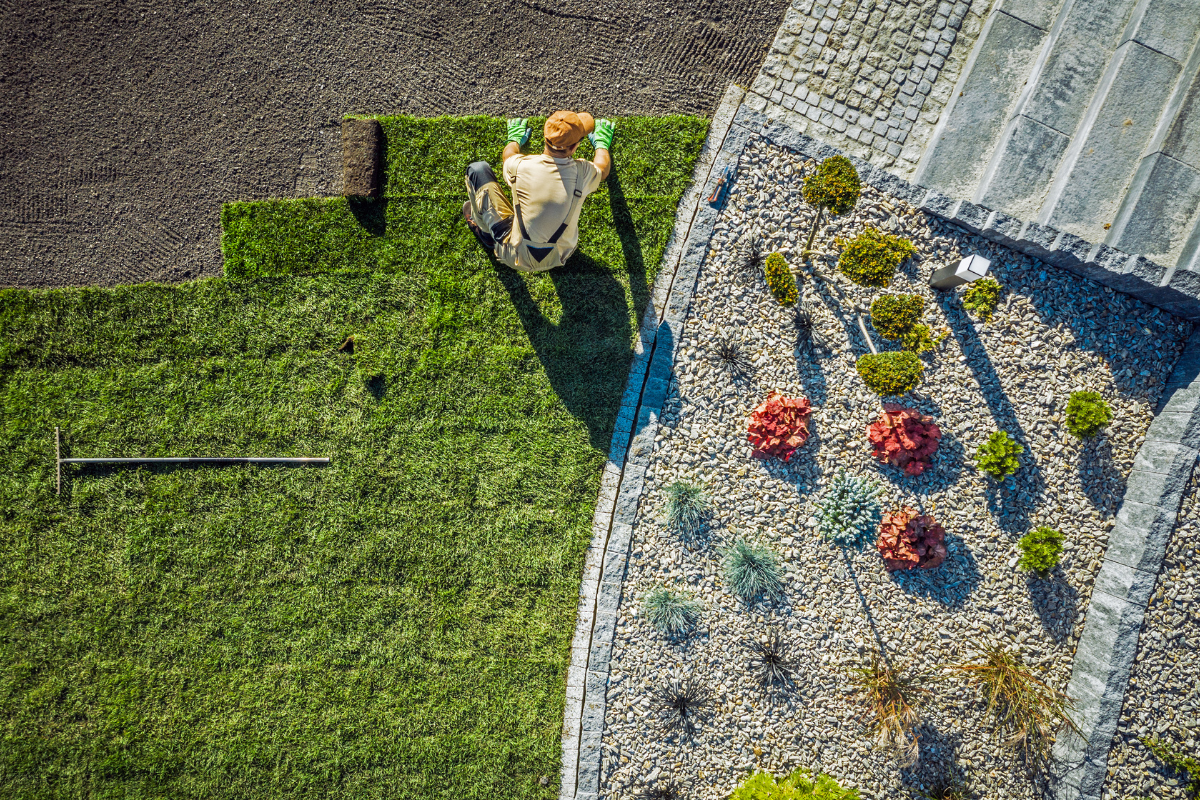
Small yards are not a handicap. They are an invitation to edit with intent. When square footage is tight, every plant, surface, and sightline takes on outsize importance. Over years of designing pocket patios, balcony planters, and townhouse courtyards, I’ve learned that small space landscaping rewards precision and restraint. The right choices make modest footprints feel generous, useful, and beautiful all year.
This guide unpacks how professional landscape design services shape compact sites, and where a landscaping company earns its keep. Expect practical tactics, trade-offs, and a few lived lessons from jobs where inches mattered.
The design mindset for compact sites
Good small space design starts with subtraction. Clear what you can live without, then invest in what you use every week. A narrow side yard that once held three underperforming shrubs can become a grilling station with storage, lighting, and an herb rail. A condo balcony clogged by mismatched planters can be pared down to a single trough of seasonal color and a bistro set, with more function and less fuss.
Scale is the driver. In a tight space, a plant that grows to six feet wide will own the room. Choose forms that fit: columnar trees, dwarf cultivars, and plants that accept pruning without sulking. Hardscape elements should align to your body and routines. Bench seats at 18 inches. Countertops near 36 inches. Gate swing and hand clearance around 36 inches, or you will fight the site every day.
Circulation matters just as much as scenery. If the stepping path forces guests into a shuffle, the whole garden reads cramped. Gentle curves eat space; shallow, straight runs with defined borders feel efficient and modern. Visual continuity helps small spaces feel larger, so limit material changes and unify colors. Repeating one stone, one metal tone, and one wood species across features gives coherence and a sense of order.
Site assessment that finds hidden potential
On compact projects, the walkthrough is as much about microclimates as measurements. Shade, wind, water, and views behave differently across just a few yards.
I look for these details on the first visit. First, the sun path: where is the morning light, and when does the western exposure bake the area? Second, the wind: balconies 20 feet up can be brutal in winter and spring, which dictates planter selection and irrigation. Third, water movement: roof sheds, neighbor downspouts, and soil grade can overwhelm a tiny bed after a storm. Fourth, eyes in and out: what do you see from the kitchen sink, and what do the neighbors see of you?
I once met a client with a 12-by-14-foot rowhouse yard that felt gloomy. The problem wasn't lack of sun. A glossy fence reflected light straight into the ground, and a dense hedge made a bulky horizon line. We swapped to a slatted cedar screen with 30 percent open area and pruned the hedge into three distinct columns. The space brightened, air moved, and the eye could travel through and beyond. No square footage gained, yet it felt like we added a third.
Choosing a layout that earns its keep
Small landscapes do not benefit from complexity. A simple diagram with clear zones beats a maze of micro-features. Most compact sites resolve into two or three functions: gathering, circulation, and one focused feature such as a grill, a water bowl, or a planter bench.
For gathering, a rectangle is your friend. Round patios waste corners that could hold furniture or plant mass. A 10-by-10 paver pad with a flush edge sits cleanly against a property line and leaves room for beds. If you prefer a curve, keep it shallow and purposeful, not wavy.
Circulation should be direct. If the only route to trash bins clip corners of furniture, you will resent the layout. Thread paths along a boundary to free the middle. On a narrow side yard, stepping stones set in gravel with 2 to 3 inches of reveal give the feet confidence and the eye a neat rhythm.
One focused feature anchors the space and earns the upgrade. In a tiny courtyard, a fire table reads busy. A linear gas fire ribbon built into a bench reads tailored and leaves knees room. Similarly, a standing fountain occupies floor area; a wall-mounted spout over a small basin delivers sound and sparkle without stealing the plan.
Hardscape choices that cheat the eye
Good hardscape is the skeleton of a small landscape. Materials set tone, reflect light, and define use. The goal is to extend sightlines and minimize visual clutter.
Large-format pavers or decking boards calm the ground plane. Narrow joints and oversized units create fewer lines, which feels generous. A 24-by-36-inch porcelain slab, for example, can make a 120-square-foot patio read like a single canvas. Lighter colors bounce light and reduce heat, but not so pale that every leaf stain shows. Warm grays and sandy tones hit a sweet spot.
Edge treatment matters. Flush transitions between materials keep the floor continuous. A recessed steel edging strip between gravel and slab holds things in place without shouting. Thresholds should be flat or gently ramped. Two-inch lips feel like trip hazards in tight quarters.
Verticals deserve equal care. Fences and screens dominate in small yards. Rather than a solid board fence that blocks wind and steals light, consider a vertical or horizontal slat with consistent gaps. You gain privacy without the sense of a wall closing in. On one city patio, we used a 1-by-3 cedar slat with 3/4-inch spacing, stained to match the deck. It turned a 7-foot fence into a texture that softened the boundary and made the whole space feel taller.
Built-in seating gives back square footage. Freestanding chairs demand clearance all around; a bench occupies one edge and doubles as storage. Aim for 18-inch seat height, 16 to 18 inches deep. If you add a back, tilt it slightly for comfort. A hinged top can hold cushions, grill tools, or kid toys. On corners, a mitered wrap bench guides the eye and avoids a visual dead end.
Plants for small spaces that perform all year
Plant selection is where a landscaping service can save years of trial and error. The wrong shrub will outgrow the plan and force a renovation. The right plant delivers scale, texture, and seasonal interest without constant hacking.
Start with structure. Two or three evergreen anchors give the garden bones in winter and backdrop in summer. I reach for narrow forms that behave: native inkberry holly cultivars pruned as columns, dwarf yews in dense green blocks, or boxwood alternatives like dwarf Japanese holly for disease resistance. In warmer zones, podocarpus trained flat against a wall can be a refined screen.
Trees should be chosen for canopy shape and root manners. Columnar hornbeam, fastigiate sweetgum, or a small crepe myrtle with multistem form can elevate the eye without confiscating floor space. On balconies, dwarf conifers in tall containers give height and year-round structure. If the wind is fierce, plant low and layered rather than trying to force a small tree that will suffer.
For seasonal interest, layer in perennials that offer extended bloom or standout foliage. Heuchera earns its spot with colorful leaves that bridge seasons. Carex and other sedges supply movement and fine texture without the flop of taller grasses. In sunny spots, dwarf salvias and compact nepeta give months of flowers that pollinators love. In shade, Japanese forest grass or compact ferns knit edges and soften hardscape.
Use groundcovers to tidy edges and cover the gaps. Creeping thyme between stepping stones, mazus along the foot of a bench, or dwarf mondo grass under a spigot turns maintenance zones into design moments. Reserve vines for vertical gain, but be picky. Climbing hydrangea is gorgeous but slow; star jasmine offers scent and speed if your climate allows, and it accepts pruning into neat panels.
Containers are crucial in tight quarters, even at grade. They let you test colors and swap with the seasons. Tall, narrow containers keep floor area open and elevate foliage to eye level. Choose frost-proof materials, not thin resin that becomes brittle. Group odd numbers when space allows, but keep the palette tight to avoid clutter.
Water, soil, and the quiet plumbing that makes it all work
Small spaces amplify watering mistakes. Overhead spray wastes water and wets surfaces, and it’s hard to tune for mixed beds. Drip irrigation on a simple zone pays back with plant health and less mess. We often install a single drip loop along beds, with button emitters for shrubs and inline tubing for groundcovers. On balconies, a micro-drip kit with a battery timer can keep planters alive without daily tending. Be mindful of runoff. Condos may require catch trays or built-in overflows to avoid staining facades or dripping onto neighbors.
Soil volume dictates performance. If you plant a tree in a shoe box, expect stunting. In raised beds, aim for at least 18 inches of depth for shrubs and 24 inches for small trees, using a blend that drains yet holds moisture. In ground, remove construction debris and amend lightly rather than turning beds into peat bogs. Small sites often collect heat, so organic matter helps buffer extremes, but avoid over-enriching. Plants grown soft in rich soil need more water and frequent pruning.
Grading is often overlooked. A 1 to 2 percent slope away from structures keeps basements dry. In alleys and courtyards, consider permeable pavers over a base built to accept stormwater. Where codes allow, a slot drain tied to a dry well can make a flat patio practical without ponding after heavy rain. The surplus disappears, and you skip the skate-rink effect every winter.
Lighting that flatters without glare
Outdoor lighting in small landscapes should be quiet. You want depth, not a stadium. Wash vertical surfaces and pick a few accents. A warm white temperature near 2700 to 3000 Kelvin flatters plants and skin. Hidden strip lighting under bench lips, soft downlights tucked into overhangs, and one or two pin spots grazing a screen or tree trunk build layers.
Avoid uplights that shine into windows or your neighbors’ yard. In tiny gardens the cones overlap quickly, and the result is harsh. Step lights help on narrow paths if glare is shielded. Battery or solar fixtures can fill gaps, but in long-term installations I prefer a low-voltage hardwired system with a transformer sized to future growth. It’s cleaner, safer, and easier to service.
How a landscaping company stages a compact build
Small sites demand nimble sequencing. In a big yard you can stage material off to the side. In a townhouse court you have one shot at delivery and a tight clock on noise. A professional landscaping company coordinates trades and schedules so the site is not a game of Tetris every morning.
We map the build backward from site constraints. If heavy material must pass through a narrow gate, we complete demolition and subsurface prep before anything bulky arrives. Pavers and lumber get staged in order of use, stacked to avoid moving the same pallet twice. If the route crosses a finished floor indoors, we build pathways of plywood and rigid foam to protect surfaces and control dust.
Communication with neighbors reduces friction. Advance notices, specific days for cutting stone, and strict cleanup at day’s end build goodwill. In some cities, permits for alley closures or after-hours deliveries need lead time. A seasoned landscaping service anticipates these bottlenecks and secures approvals before the clock starts.
Garden landscaping on a budget that still looks custom
Budget is the pressure cooker in small spaces. The cost per square foot can run higher than larger projects because custom elements and mobilization don’t scale down. The trick is choosing where to spend.
Invest in the horizontal surfaces and key verticals. Cheap pavers and thin decking telegraph their cost every time you step outside. Mid-tier porcelain or dense composite decking wears well and cleans easily. For fences and screens, a simple design in quality wood beats a complicated pattern in flimsy lumber.
Plants are a place to save without regret. Buy smaller sizes of the right species and let them grow into their roles. A well-sited one-gallon shrub can outperform a stressed five-gallon planted too big for its space. Focus your splurge on the structural evergreens and the one standout specimen the eye lands on from inside.
Irrigation and lighting infrastructure should be built right, even if you add fixtures later. Running conduit and a water line during construction costs less than tearing up a patio to retrofit. Think like a homeowner who will live with the garden for a decade, not like a weekend project warrior.
Lawn care in the land of almost no lawn
Many compact sites ditch grass altogether. That’s often the wise move. A six-by-eight patch of turf looks like a rug you forgot to straighten, and it comes with mowing, edging, and fertilizer you probably don’t want in your vegetables a few feet away. Still, some clients need a bit of soft ground for pets or kids.
If you must have lawn in a tiny space, set clear boundaries. A crisp steel or masonry edge keeps grass from creeping into beds. Choose a turf blend suited to the light and foot traffic. Shade-tolerant mixes survive under urban tree canopies, but they still want four to five hours of light. For truly shady spots, synthetic turf can be the honest choice. Installed over a proper base with drainage, modern synthetic reads clean and solves the mud problem. Keep it cool with shade and periodic rinsing.
For many homeowners, a no-lawn palette is freeing. Gravel or decomposed granite with stepping pads, groundcover carpets, and broadleaf evergreens create a calm, low-maintenance surface. Landscape maintenance services then shift from weekly mowing to monthly grooming and seasonal edits, which suits busy lives.
Privacy without heavy walls
Privacy in small landscapes is rarely about blocking everything. It’s about targeted screens and layered distraction. The eye follows light and detail. If you want to downplay an upper window, add a tree with fine texture in the sightline and wash a nearby panel with light at dusk. Neighbors vanish from attention, even if they’re technically visible.
Screens can be movable. On a balcony, planters on casters with tall grasses create a seasonal screen you can roll for wind and views. In ground, a trellis panel with a vine mounted on standoffs gives depth and shadow play that a wall can’t. If noise is the issue, water features help. Not big basins, but sheet fountains or narrow rills that produce a steady hush without splashing the whole patio.
Remember that privacy is mutual. A heavy hedge pressed against a boundary fence reduces airflow and invites mildew. Pull screens and plantings several inches off the property line to allow maintenance and to give your neighbor’s fence room to dry. Your garden will stay healthier, and the relationship will be easier.
Storage, utilities, and those necessary evils
Trash bins, hose bibs, AC condensers, and meters consume a shocking portion of a small yard. Hiding them elegantly is a solvable design problem. Start by accepting access needs. If the trash comes out once a week, place bins near the gate with a cabinet that opens fully. A slatted door with bottom venting keeps smells down and lets air circulate.
AC units need clearances for service and airflow. Instead of boxing them in, create a screen that respects manufacturer distances, typically 12 to 24 inches on sides and 60 inches above. Plant low, airy shrubs in front to soften the view. Run hose reels inside bench storage with a pass-through grommet, or mount compact retractable reels on the fence and match their color to the stain.
Utility boxes can be painted to match walls and visually disappear. Avoid planting dense shrubs that trap moisture around them. If you need a surface for potting or a grill, design it with dual purpose. A 5-foot counter adjacent to a storage bench becomes prep space on the weekend and a potting surface in spring.
Seasonal strategy that keeps the space alive
Small gardens need to pull weight in winter. Choose plants with evergreen foliage, bark interest, and structure. A pair of columnar hollies, a clump of dwarf bamboo in a contained planter, and one multi-stem tree with interesting bark, such as paperbark maple or river birch in colder zones, keep the scene alive after leaves drop. In warm climates, citrus in large planters brings fragrance and fruit, but plan for winter protection if frost is an occasional visitor.
Annual color has a place, but use restraint. One or two large containers by the door or at a sightline visible from inside deliver seasonal joy without turning the yard into a nursery. In summer heat, choose plants that forgive a missed watering; in shoulder seasons, pansies and violas reward with long bloom windows.
Lighting plays a bigger role in winter as days shorten. A timer that shifts with sunset helps. Washing a screen or the trunk of the small tree makes the yard feel intentionally composed even when you are indoors most evenings.
How landscape design services pay off in tight quarters
People often ask why they should hire a professional for a small job. The answer is that the smaller the space, the more each decision costs if it’s wrong. A designer looks at the whole system: soil, drainage, views, habits, and the maintenance you realistically will do.
A good landscaping service calibrates the design to your schedule and budget. If you travel for work, we select plants that handle a week without water, and we wire for automatic irrigation. If you host often, we choose surfaces that clean quickly and furniture that stacks or nests. If you garden for therapy, we build a generous raised bed at 30 to 34 inches high, not the standard low box that hurts your back.
Landscape maintenance services can be tuned to small space needs. Instead of a weekly mow-and-blow, consider a monthly 60 to 90 minute visit focused on pruning, deadheading, checking irrigation, and sweeping. That cadence keeps the garden crisp without overworking it. Many of our clients spend less than they once did on lawn care, with a better-looking space year round.
Mistakes to avoid when every inch matters
Even experienced DIYers get tripped up by a few predictable missteps in small gardens. These are the repeat offenders:
- Overplanting juveniles that will outgrow the plan. Check mature sizes and be honest about pruning tolerance. Choose dwarf cultivars or plan for annual shaping. Material overload. Three stones, two metals, and two wood tones is a lot in a small space. Edit to one dominant and one accent. Furniture that fights the layout. Deep lounge pieces look inviting online and unusable on a 9-foot patio. Sit-test dimensions before purchasing, and map them with tape on the ground. Ignoring water management. Even a small patio needs proper base, slope, and either permeable joints or drains. Standing water will stain and invite mosquitoes. Lighting glare. Fixtures mounted at eye level or uplights aimed into windows make the space uncomfortable. Aim light onto surfaces, not into eyeballs.
Case notes from the field
A 9-by-20-foot alley garden behind a brick rowhouse needed storage, dining for four, and a spot for a Weber grill. The client also wanted “as many plants as we can manage” and a budget that capped at a mid-five-figure spend. We installed a 9-by-12 slab of 24-by-36 porcelain pavers on an open-graded base, flanked by two 30-inch-deep planting beds retained by steel. A 20-inch-deep, 14-foot-long cedar bench along the back wall hid cushions and tools. We mounted a shallow cedar screen 3 inches off the brick, both to protect the masonry and to create a cable raceway for lights. Plants were lean: three columnar hollies, a drift of heuchera, a trio of dwarf panicum grasses, and two small planters with edible herbs. The grill sat on a slab extension with a pull-out heat shield panel to protect the bench. The result looked bigger than the footprint, because materials were unified and furniture built in.
On a 5-by-12-foot apartment balcony, wind was the enemy. Anything taller than 24 inches would rock. We used two long powder-coated aluminum troughs bolted to the slab, filled with lightweight engineered soil and planted with prostrate rosemary, compact lavender, and low-growing sedums. A folding bistro set tucked along the railing. For privacy, we added a 30-inch-tall slatted panel on the windward side only, which broke gusts without turning the balcony into a sail. A small micro-drip kit on a timer kept the troughs happy. The client stopped chasing cushions down the street.
Maintenance that fits real life
Maintenance in small spaces is about steady touch-ups rather than big weekends. Set simple routines. Sweep surfaces weekly to keep organics from staining. Check irrigation filters every month, especially on drip. Prune lightly and often. In tight spaces, one bad cut is obvious. Use sharp tools and take a few minutes to step back and look.
Fertilize sparingly, with an eye on plant needs and local runoff rules. Slow-release organics keep growth measured. Overfeeding produces soft, long internodes that look rangy and need more water. Mulch thinly, 1 to 2 inches, to avoid burying crowns and to keep the space feeling tidy.
If you hire landscape maintenance services, ask for a scope aligned to your plant mix. Boxwood-like shrubs need shaping; grasses need a late winter cutback; perennials appreciate deadheading. Pay for expertise, not time spent blowing dust around. The best crews work quietly and leave the site cleaner than they found it.
Working with a landscaping company: what to expect
A professional firm will guide you through discovery, concept, and build. Expect a measured survey, mood and material boards, and a plan set that covers layout, planting, lighting, and irrigation. On compact projects, 2D plans plus a few key elevations or perspective sketches are usually enough to understand the space.
Contracts should spell out lead times. Custom screens, powder-coated metals, and porcelain pavers have longer procurement windows. If your project depends on seasonal planting, align the schedule to spring or fall windows for best establishment. Permits may be needed for gas lines or structural changes on balconies; your landscaping company should handle those or coordinate with a licensed tradesperson.
Costs vary by region, but as a rough guide, many small urban courtyards land in a range that reflects the quality of hardscape and the number of custom elements. Ask for alternates in the proposal so you can shift budget between surfaces, built-ins, and lighting without redesigning https://knoxmbsu191.almoheet-travel.com/how-to-choose-the-right-landscaping-company-for-your-home the whole project.
When to keep lawn care and when to let it go
Some clients hang onto a strip of grass because it feels like the default. If kids need a soft fall zone for two or three years, keep it and design with the exit in mind. Use steel edging that can be lifted later, choose a paver pattern that allows expansion, and plant perennials with an eventual sun tolerance for when the lawn disappears. If the grass never looks good due to shade or pets, give yourself permission to reassign that area to a gravel terrace or planting bed that serves you better.
A small space that lives big
When done well, a compact landscape becomes a daily companion. You step out with coffee, brush past herbs that release scent, sit on a bench that fits your back, and the view from inside frames a scene that calms rather than clutters. That is the value of careful design in small spaces: it turns limits into focus.
Whether you partner with a full-service landscaping company or tackle parts yourself, approach the site as a whole system. Choose a restrained palette. Size elements to the user. Give water and light the respect they deserve. With thoughtful landscape design services and measured maintenance, even the tightest yard can host dinner, grow a season’s worth of herbs, and offer a quiet corner that belongs entirely to you.
Landscape Improvements Inc
Address: 1880 N Orange Blossom Trl, Orlando, FL 32804
Phone: (407) 426-9798
Website: https://landscapeimprove.com/